
Live Commerce and Shoppable Videos: The Future of Interactive E-Commerce Marketing
Live Commerce and Shoppable Videos: The Future of Interactive E-Commerce Marketing
At Karasound, where cutting-edge technology meets immersive experiences, we recognize that the convergence of video, audio, and interactive commerce is reshaping how brands connect with consumers. The emergence of live commerce and shoppable videos represents a fundamental shift in e-commerce marketing—one that demands our attention as pioneers in immersive technology solutions.
Marketers are paying more attention to presenting potential buyers with a blend of product videos as a model that adopts live commerce goals based on consumer-led and consumer-centric product discovery.
The developing new marketing method shares several names. The most prominent usage centers on live commerce and livestream shopping. Whatever you call it, the marketing strategy allows sellers to display products to a live, online audience that can participate in the experience.
The Growing Market Potential
Industry analysts project interactive live commerce will generate $25 billion in revenue by 2023. They further predict live commerce sales could produce 20% of all e-commerce by 2026.
The trend began in 2016 with China’s Alibaba online shopping network and has proven very effective in Asia-Pacific markets. The innovative approach established the success potential of blending online livestream broadcasts with an e-commerce store to allow viewers to watch and shop simultaneously.
On the other hand, shoppable videos have a similar customer engagement role but are more limiting than live shopping. Shoppable videos feature retail products available for consumption with embedded links within the video. Clicking on those links redirects viewers to a purchasing window without leaving the video page.
Overlapping Customer Engagement Approaches
One of the key characteristics of shoppable videos is the “add to cart” feature, offered Jennifer Silverberg, CEO of SmartCommerce, a consumer packaged goods digital marketing firm. Her company’s ad content for clients is designed with dynamic features that take into account user context to enhance the experience.
“It helps marketers create interactive advertising experiences that place consumers in the driver’s seat when it comes to engaging with content,” Silverberg told the E-Commerce Times.
Traditional video ad strategies rely on third-party cookies for targeting, while interactivity allows brands to not only measure authentic actions but to use those metrics to optimize campaigns and drive actual purchases. Shoppable ads can unlock views into details that are relevant to specific groups of consumers without them having to leave the video.
“Whether shopping by QR code on a CTV [connected TV] ad or a product tile in a digital or social video ad, brands have the ability to drive consumers to a destination relevant to the time of day or location and/or serve creatives that may take location, time of day or weather into account,” Kerv COO Marika Roque told the E-Commerce Times.
Key Differences: Shoppable vs. Live Commerce
The terms and their strategies are not interchangeable, however. Shoppable and live commerce videos have the same purpose but have their own approaches to consumers.
An essential role of a shoppable video is to bring more customer engagement through the ability to buy instantly. The videos are looped and recorded before posting, so shoppers can view them whenever they like.
On the other hand, live commerce videos are real-time events with hosts that emcee the shows. This approach brings entertainment, education, and product promotion at the same time.
Benefits of Live Commerce
One advantage to livestream shopping is that online customers see products in which they are interested. Silverberg suggested the content is no longer displayed by a third party who decides what shoppers see.
“I’m now being invited in through my filters. What I see includes information that is highly relevant to me because I have invited it,” she said in patterning how viewers react.
The viewing attraction is getting shoppers to engage with a topic and a presenter to whom viewers can relate. The engagement matches the context of a lifestyle or gives viewers a way to emulate what that presenter represents.
Another powerful driver of live commerce is the higher conversion rates the livestream approach garners compared to other online marketing methods. She added that, in part, results from the viewer already opting to watch the live video.
“Conversion always comes down to matching the tactic to the expectation of the consumer and the expectation of the product category. When you get all of those things right and when the message is relevant, that is when you get 70% conversion rates,” explained Silverberg.
Deciding Factors for Implementation
Shoppable ads are a largely untapped measurement tool that allows brands and content platforms to solve cross-platform measurement. They also provide new forms of data at a time when consumers are increasingly wary of sharing their information, noted Kerv’s Roque.
According to Silverberg, the difference is what is happening below the surface. She thinks consumers have become much more sensitive to spam, and shoppable ads and live commerce address that point.
With the potential for higher conversion rates, the cost of producing a live commerce presentation could be an advantage over a shoppable video, according to Silverberg. Shoppable videos also gain more conversions.
In-House or Outsource: Making the Right Choice
Keep in mind that live commerce strategies can grow sales more quickly. The results come from the ability to gain a larger instant audience than other marketing plans create.
Also, the added personal engagement associated with live commerce justifies the related production costs. According to market research, video content has higher engagement than other forms of content.
That leads to impulse buying along with building brand awareness more effectively. Some industry reports show that viewers are much more likely to share the presentations they record with their friends than they typically would do with static ads.
A final consideration is whether to opt for in-house production or to contract with a professional marketing service. If you opt for doing it in-house, expect to acquire a live video shopping tool, live chat platform, and shopping cart integration.
Karasound’s Perspective: Audio Quality as the Foundation
As we observe this evolution in interactive commerce, one factor remains constant: audio quality is fundamental to viewer engagement. Whether through live commerce or shoppable videos, crystal-clear sound ensures that product demonstrations, host commentary, and customer interactions create the immersive experience that drives conversion.
At Karasound, we believe that as brands embrace these new marketing frontiers, they must not overlook the critical role of professional-grade audio technology in creating compelling, trustworthy, and engaging shopping experiences.
Bài viết cùng chủ đề:
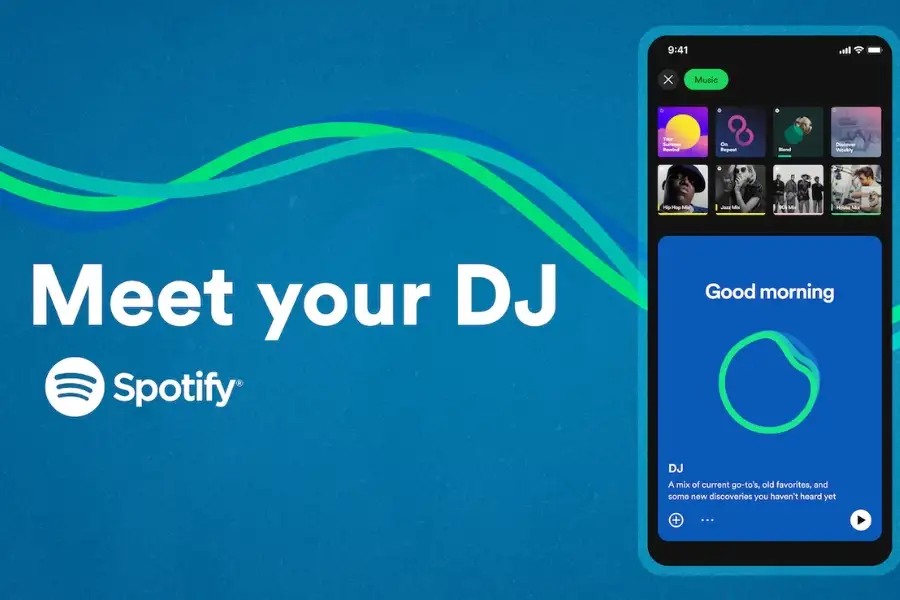
Spotify Leverages AI Voice Translation to Expand Podcasts Globally
Spotify Leverages AI Voice Translation to Expand Podcasts Globally — But at What Cost? At Karasound, where the future of sound meets immersive technology, we keep a close eye on how AI is reshaping the way content is created, distributed, and experienced. Spotify’s latest move — using AI to clone podcaster voices in multiple languagesContinue reading
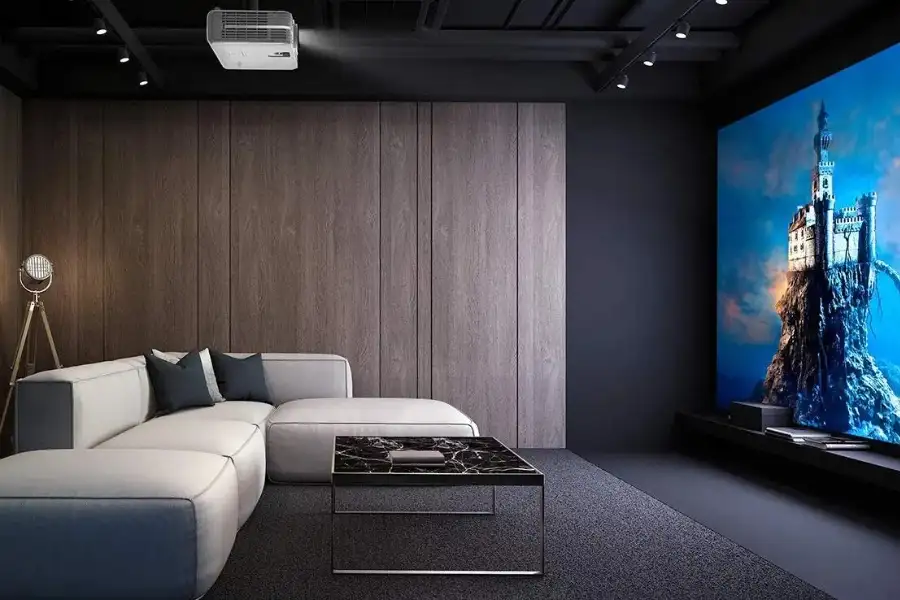
4K Displays and High-End AV Tech Are Redefining the Future
4K Displays and High-End AV Tech Are Redefining the Future of Higher Education At Karasound, we believe that audio-visual technology is no longer just an accessory—it’s a cornerstone of transformative experiences. From the concert hall to the classroom, immersive AV solutions are shaping how we teach, learn, and connect. Nowhere is this more apparent thanContinue reading
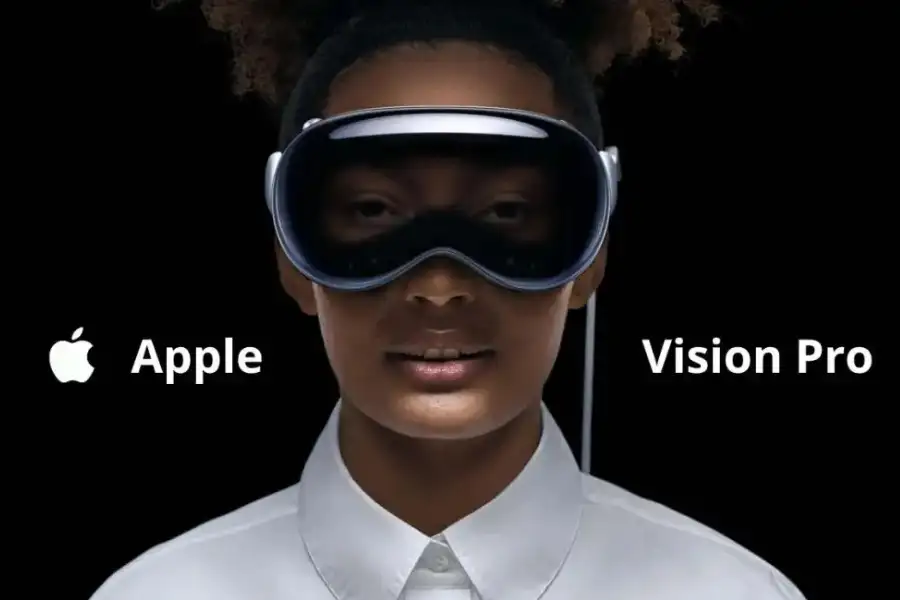
Vision Pro – Apple’s Spatial Ambition is Missing… Companions?
Vision Pro – Apple’s Spatial Ambition is Missing… Companions? At Karasound, we closely monitor every movement in the tech world – not only in professional audio but also in pioneering device ecosystems, where trends like AR/VR and Spatial Computing are gradually reshaping digital experiences. In this landscape, Apple Vision Pro is the name that hasContinue reading