
Spotify Leverages AI Voice Translation to Expand Podcasts Globally
Spotify Leverages AI Voice Translation to Expand Podcasts Globally — But at What Cost?
At Karasound, where the future of sound meets immersive technology, we keep a close eye on how AI is reshaping the way content is created, distributed, and experienced. Spotify’s latest move — using AI to clone podcaster voices in multiple languages — signals a bold new chapter in global audio storytelling.
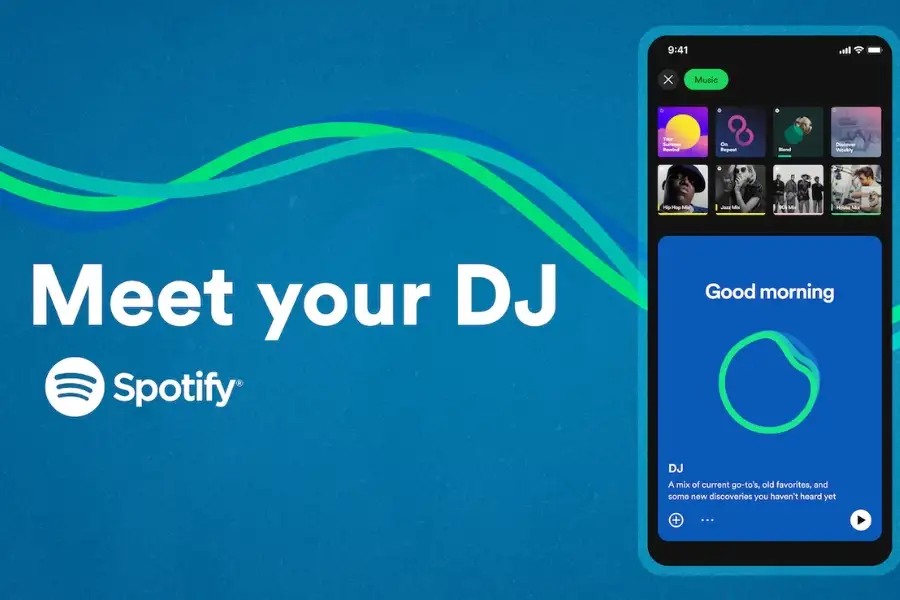
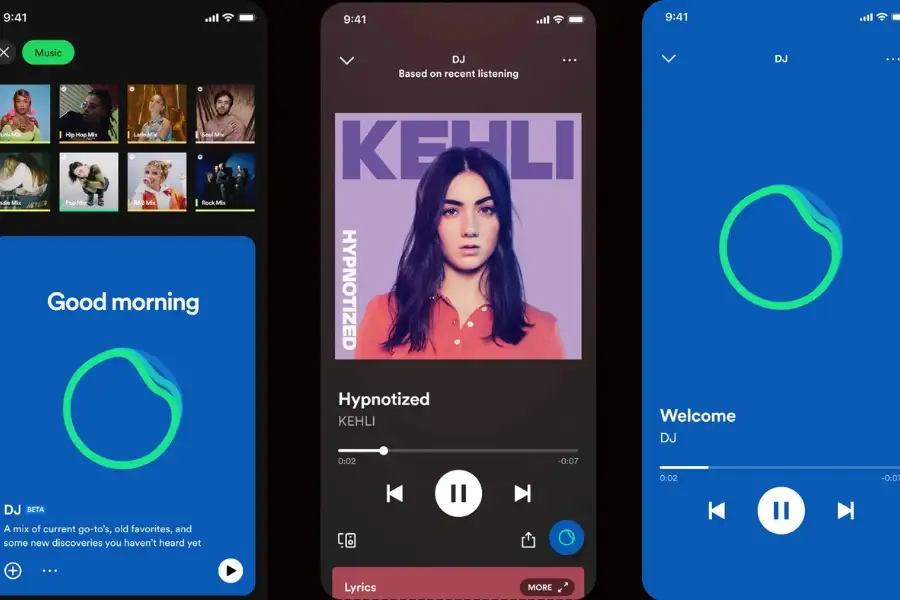
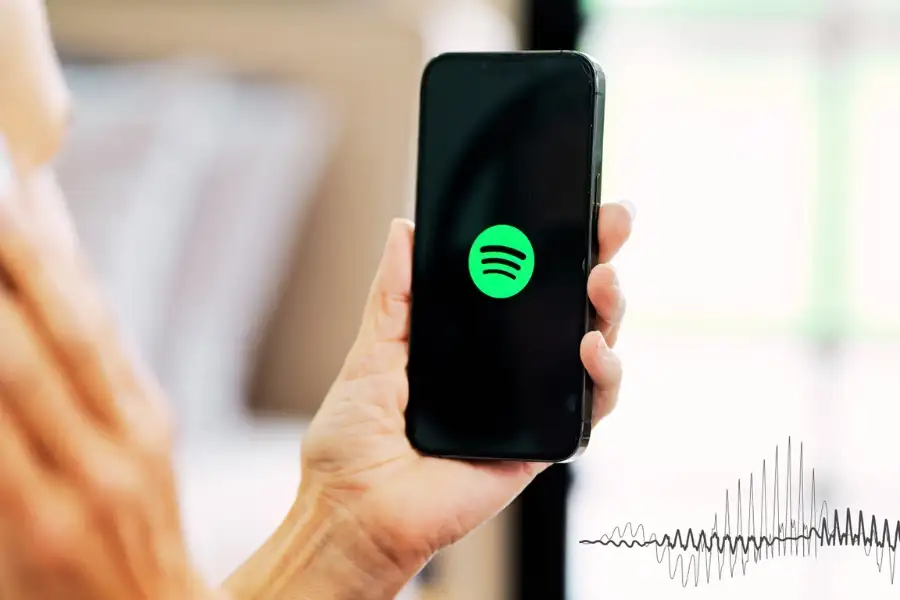
On Monday, Spotify launched a pilot program called Voice Translation, a feature that not only translates podcast content into new languages but also preserves the original speaker’s voice using advanced AI voice cloning. Built with OpenAI’s voice generation technology, this initiative aims to bridge language barriers while retaining the podcaster’s personal tone and delivery.
From Star Voices to Global Reach
The pilot is starting with big names: Dax Shepard, Monica Padman, Lex Fridman, Bill Simmons, and Steven Bartlett — all of whom will have episodes translated into Spanish, French, and German. Soon, translations of “eff won with DRS,” “The Rewatchables,” and Trevor Noah’s upcoming podcast will follow.
“By matching the creator’s own voice, Voice Translation gives listeners around the world the power to discover and be inspired by new podcasters in a more authentic way than ever before,” said Ziad Sultan, Spotify’s VP of Personalization.
This move aligns with Spotify’s larger vision: using AI to deepen listener-creator connections and unlock human creativity across borders.
A Win-Win for Creators and Platforms?
Industry experts agree: this could be a game-changer for global reach. Greg Sterling of Near Media notes that voice translation will let podcasters tap into new audiences, while Spotify benefits by expanding its market footprint.
“English podcasts translated into Mandarin or Hindi open doors to massive audiences that would otherwise be inaccessible,” adds Forrester analyst Rowan Curran.
For creators, more listeners means more monetization opportunities. Rob Enderle of the Enderle Group explains that as Spotify boosts podcast reach, both podcasters and the platform stand to gain financially.
Still, the incentive is also strategic. Spotify is under pressure to justify its billion-dollar investments (Joe Rogan’s $200M deal, the $196M acquisition of The Ringer, and more). More global listeners = more value per podcast.
Not Just a Spotify-Only Future
While Spotify is first to market, experts warn this exclusivity won’t last. YouTube and other platforms are expected to adopt similar features in the near future, making AI voice translation a new standard in digital content.
But this evolution comes with ethical and technical caveats.
The Double-Edged Sword of AI Voice Cloning
While AI-generated voice translations are powerful, they come with serious concerns:
- Deepfake potential: The same technology can be used for frauds or impersonation, especially when cloning celebrity voices.
- Permission issues: Who controls a creator’s voice once it’s cloned? These concerns echo ongoing debates in the Hollywood actors’ strike.
- Translation “hallucinations”: AI may invent phrases when a word or concept doesn’t translate well — like the German term “schadenfreude.”
- Legal risks: Inaccurate translations could open creators up to defamation or regulatory penalties, especially across jurisdictions.
Alyssa Devine, a legal expert in creative IP, adds that poor AI execution may lead to international legal claims, making accuracy and transparency critical.
Quality and Execution Will Determine Success
“If Spotify doesn’t execute well, it risks alienating non-English listeners,” warns Todd Cochrane, CEO of Blubrry Podcasting. Synthetic-sounding translations without human-like emotion could diminish the content’s appeal.
Even podcasters themselves are cautious. Mark N. Vena, a podcaster and analyst, argues that natural speech quirks — the pauses, stutters, and “ums” — are difficult to cleanly translate. Without near-perfect rendering, the result may feel hollow or disjointed.
At Karasound, We Champion Sound That Transcends Borders — Ethically and Authentically
What Spotify is pioneering could indeed reshape the global podcast landscape, and we applaud innovations that empower creators to reach new audiences. But as leaders in sound technology, we at Karasound believe the future must be built on precision, permission, and people-first design.
Voice cloning and AI translation aren’t just tools — they’re creative extensions of real human voices. Let’s use them with care, creativity, and conscience.
Bài viết cùng chủ đề:

4K Displays and High-End AV Tech Are Redefining the Future
4K Displays and High-End AV Tech Are Redefining the Future of Higher Education At Karasound, we believe that audio-visual technology is no longer just an accessory—it’s a cornerstone of transformative experiences. From the concert hall to the classroom, immersive AV solutions are shaping how we teach, learn, and connect. Nowhere is this more apparent thanContinue reading
Vision Pro – Apple’s Spatial Ambition is Missing… Companions?
Vision Pro – Apple’s Spatial Ambition is Missing… Companions? At Karasound, we closely monitor every movement in the tech world – not only in professional audio but also in pioneering device ecosystems, where trends like AR/VR and Spatial Computing are gradually reshaping digital experiences. In this landscape, Apple Vision Pro is the name that hasContinue reading

Live Commerce and Shoppable Videos: The Future of Interactive E-Commerce Marketing
Live Commerce and Shoppable Videos: The Future of Interactive E-Commerce Marketing At Karasound, where cutting-edge technology meets immersive experiences, we recognize that the convergence of video, audio, and interactive commerce is reshaping how brands connect with consumers. The emergence of live commerce and shoppable videos represents a fundamental shift in e-commerce marketing—one that demands ourContinue reading